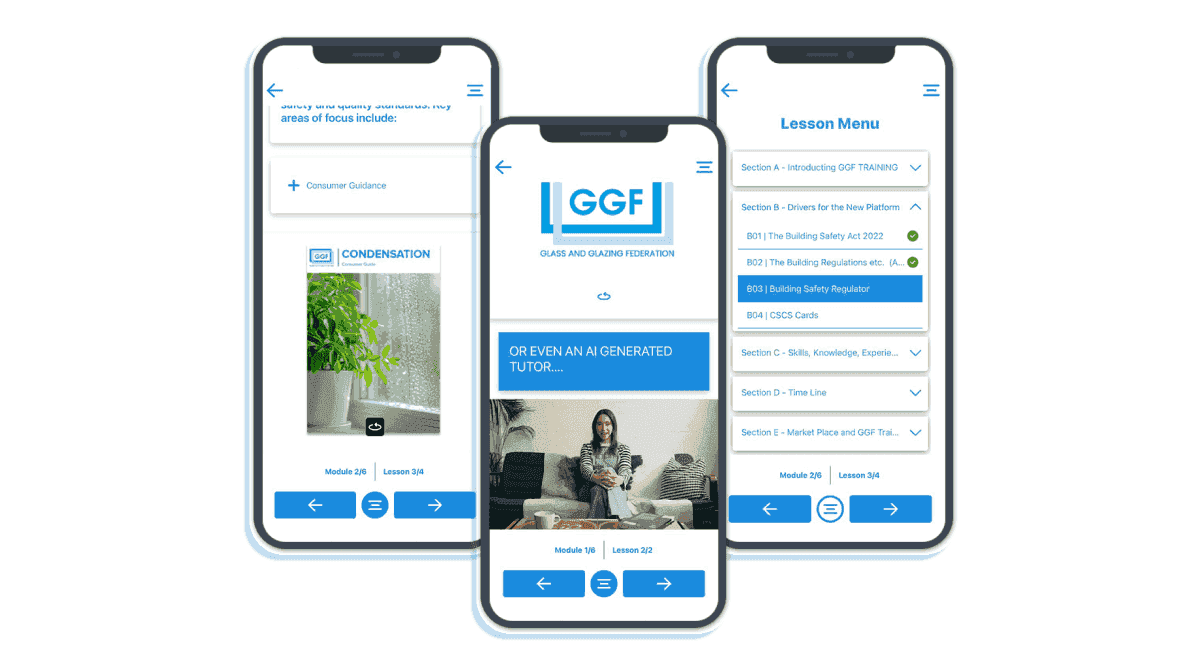


Knowledge Hub
Blog
The Changing Landscape of Learning: transitioning from classroom-based training to eLearning and blended approaches
Why classroom-based training is giving way to eLearning and blended approaches - and a practical roadmap for making the move.
Executive summary
The world of workplace learning is undergoing a profound transformation. Traditional classroom-based training, once the dominant form of skills development, is steadily giving way to more flexible, scalable and cost-effective models - namely eLearning and blended learning. This shift is driven by advancements in technology, changes in workforce expectations, and the need for businesses to stay competitive in an increasingly dynamic global economy.
This white paper explores the changing nature of training and development, examines the drivers behind the move to digital learning models, and provides a strategic roadmap for businesses looking to plan, prepare for and implement a successful transition.
1. Introduction
Organisations across industries are rethinking how they develop the capabilities of their employees. With the pace of change accelerating - from technological innovation to globalisation and remote work - training must evolve to remain relevant, responsive and effective.
1.1 Purpose of this paper
This paper aims to:
- Highlight the drivers of change in training methodologies
- Compare classroom-based training with eLearning and blended learning models
- Offer a structured approach to transitioning to modern learning strategies
- Share best practices and key success factors for implementation
2. The shift in learning paradigms
2.1 From classroom to click
Traditionally, training involved face-to-face instruction delivered in a classroom or training centre. While effective in certain contexts, this method is limited by geography, scheduling constraints and cost. Over the past two decades, digital transformation has enabled the growth of eLearning - the use of digital platforms to deliver educational content - offering scalable and accessible alternatives to in-person learning.
2.2 Rise of blended learning
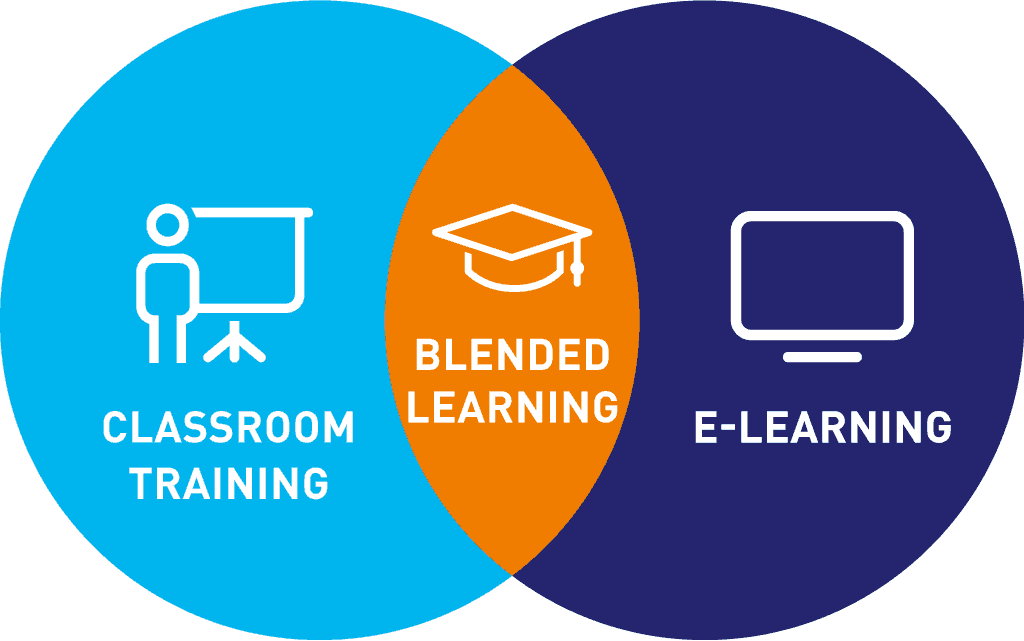
Blended learning combines the best of both worlds - digital and in-person instruction - to enhance learner engagement and retention. It integrates various modes such as virtual classrooms, interactive modules, webinars and face-to-face workshops, catering to different learning styles and needs.
3. Key drivers of change
3.1 Technological advancements
- Cloud-based Learning Management Systems (LMS)
- Mobile learning and microlearning platforms
- Artificial intelligence and personalised learning
- Virtual reality and simulation-based training
3.2 Workforce demographics
- Millennials and Gen Z employees prefer self-paced, tech-enabled learning
- Remote and hybrid working patterns demand location-independent training
3.3 Economic and strategic factors
- Cost efficiency and scalability of eLearning
- Faster onboarding and upskilling cycles
- Need for continuous learning in a rapidly changing environment
4. Benefits of eLearning and blended approaches
| Classroom-based training | eLearning / blended learning | |
|---|---|---|
| Flexibility | Fixed time and location | Anytime, anywhere |
| Scalability | Limited to physical constraints | Easily scalable across geographies |
| Cost | Higher due to logistics and travel | Lower per-learner cost over time |
| Personalisation | Limited | Adaptive and self-paced learning |
| Engagement | Varies with instructor | Interactive and multimedia-based formats |
| Measurement | Manual or subjective | Real-time analytics and assessments |
5. Planning for the transition
Transitioning to a modern learning model requires careful planning and alignment across multiple business functions.
5.1 Assess current state
- Audit existing training programmes and delivery methods
- Identify gaps in content, technology and learner experience
5.2 Define objectives
- What are the business goals (e.g. improved compliance, faster onboarding)?
- Who are the key learner groups (e.g. sales, operations, leadership)?
5.3 Engage stakeholders
- Gain buy-in from HR, L&D, IT and executive leadership
- Involve employees in shaping the learning experience
5.4 Build a business case
- Estimate cost savings, productivity gains and performance improvements
- Highlight competitive advantages of modern learning approaches
6. Preparing for implementation
6.1 Select the right technology
- Choose an LMS that supports scalability, personalisation and reporting
- Ensure mobile compatibility and data security compliance (e.g. GDPR)
6.2 Develop a content strategy
- Blend new eLearning modules with existing materials
- Incorporate multimedia, quizzes, gamification and scenario-based learning
6.3 Upskill the trainers
- Train facilitators to deliver virtual and hybrid sessions
- Foster a culture of digital fluency and innovation
6.4 Pilot and refine
- Roll out a pilot programme to a small user group
- Gather feedback and iterate based on results
7. Executing the transition
7.1 Launch and communicate
- Use internal communications to build excitement and awareness
- Provide clear guidance on accessing and using the new platform
7.2 Monitor engagement and impact
- Track participation, completion rates and learner feedback
- Measure knowledge retention and performance improvements
7.3 Continuous improvement
- Regularly update content to reflect changing business needs
- Use analytics to identify areas for optimisation
8. Case studies
Case study 1: financial services firm
A UK-based financial firm transitioned 80% of its regulatory training to an eLearning platform, resulting in a 45% cost reduction and improved compliance audit scores.
Case study 2: retail chain
A multinational retailer used blended learning to train 10,000 employees in a new POS system across 12 countries. The combination of microlearning and hands-on workshops improved rollout speed and user confidence.
9. Conclusion
The transition from classroom-based training to eLearning and blended approaches is not merely a technological upgrade - it is a strategic imperative. Businesses that embrace this shift can improve workforce agility, enhance employee engagement and future-proof their learning strategies.
By following a structured approach - assessing the current state, defining clear objectives, selecting appropriate tools and executing with agility - organisations can make the move confidently and realise significant value.
10. Recommendations
- Start small: begin with a pilot to test effectiveness before full-scale rollout.
- Think learner-first: design with the end user in mind - intuitive, engaging and relevant.
- Measure everything: use analytics to validate ROI and guide continuous improvement.
- Keep evolving: stay ahead by experimenting with emerging technologies like AI and VR.
Subscribers only
Read the full article
Enter your email to unlock this article and the rest of the Knowledge Hub.
We’ll only use this to let you know about new Nucleus content.
More from Nucleus Academy